 Age & Numbers Lesson for Adult Beginners Description
*This is the second lesson in the lesson series on: Beginner Basics: First Conversations & Personal Information. This lesson contains the following audio files:
- Listening Practice, Part 1 Audio
- Listening Practice, Part 2 Audio
- Quiz & Review, Part 1 Audio
- Quiz & Review, Part 2 Audio
OVERVIEW & OBJECTIVES
This ESL lesson plan on numbers and age offers engaging activities, PDF worksheets, and digital materials designed for beginners at A1. In this lesson, students will:
- Talk about personal information such as name, country, and age in simple introductions.
- Learn and use basic numbers and age-related vocabulary from 1 to 60.
- Practice “How old are you?” and “I’m … years old” in guided tasks.
- Complete listening and speaking activities focused on age and simple profiles.
- Take part in a role-play introducing themselves and asking basic questions.
WARM-UP ACTIVITY
Students begin by answering simple personal questions such as their name, country, city, and job, which helps them ease into speaking and build confidence with basic information. This introduction stage allows them to connect the lesson topic to real-life communication.
Next, they look at short example profiles and complete introductions for people like Yana and Carlos using guided sentence frames. This helps students notice how age fits naturally into a full introduction using phrases like “I’m … years old.”
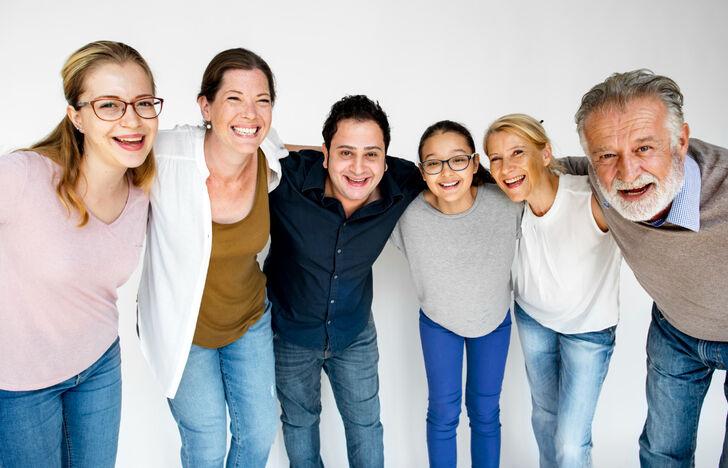
Finally, students look at different people and guess their ages using numbers provided. They complete sentences such as “I’m … years old,” which reinforces number recognition and prepares them for the main focus of this numbers and age ESL lesson plan.
TARGET LANGUAGE STUDY
Students are introduced to numbers from 1 to 10 by repeating them after the teacher, which builds pronunciation and familiarity with basic numbers. This controlled repetition supports confidence at a beginner level.
They then move on to teen numbers and multiples of ten (11–60), where they listen and choose the correct numbers they hear. This helps them distinguish similar-sounding numbers like 13 and 30.
To deepen understanding, students listen again and write the numbers they hear. This final step strengthens both listening and number recognition, which is essential for using age correctly in this numbers and age ESL lesson plan.
PRODUCTION PRACTICE
Students listen to short audio clips and complete sentences with ages, such as “I’m … years old.” This activity helps them connect spoken numbers with written forms and reinforces comprehension.
They then listen to a simple conversation and fill in missing details like country, job, city, and age. This encourages students to process basic personal information in context.
In the final part, students look at new people and guess their ages, then work with a partner to create short introductions using given information. This step brings together numbers, age, and personal details into simple spoken practice.
INTRODUCE YOURSELF (+ AGE!)
Students first write their own personal information, including name, country, city, job, and age, which helps them prepare for speaking. This stage gives them time to organize their ideas.
They then work with a partner and introduce themselves using key phrases such as “Hi, my name’s…”, “Where are you from?”, and “How old are you?” The interaction focuses on short, natural exchanges and simple follow-up questions.
As an alternative, students take part in a guided discussion where they ask and answer questions about personal information, including age. This final stage encourages more independent speaking and helps students use the target language in a realistic way.
 Lesson Activities
Introductions, Age, Personal Information, Numbers, Countries, Jobs
Numbers, Age, Personal Info, Countries, Jobs
Asking and Saying Age (How old are you? / I’m … years old.)
Role-Play Introductions, Quiz & Review, Lesson Reflection
 Lesson Topics
Numbers, Age, Identity, Introductions, Communication
Age & Numbers Lesson for Adult Beginners
Numbers & Age: How Old Are You?
This is lesson #2 in the lesson series:
Beginner Basics: First Conversations & Personal InformationAudio-Based
 03/25/2026
 1505
1505

UNLOCK FULL LESSON MATERIALS
Buy this lesson to unlock the following materials:
 Printable PDF Lesson Plan
 Interactive PDF Lesson Plan
 Google Slide Lesson Plan
 Teacher's Guide
 Unlock Lesson For $3.49
 Log in
Lesson Plan Preview

Your download is ready. You can open your lesson from your device or in your browser. Enjoy your lesson!
Numbers & Age: How Old Are You?
 Like us on facebook
Thanks for your like!
Like us on facebook
Thanks for your like!

 Sign in with Google
 Sign in with Facebook
Do you want to save this lesson to favorites for later?